




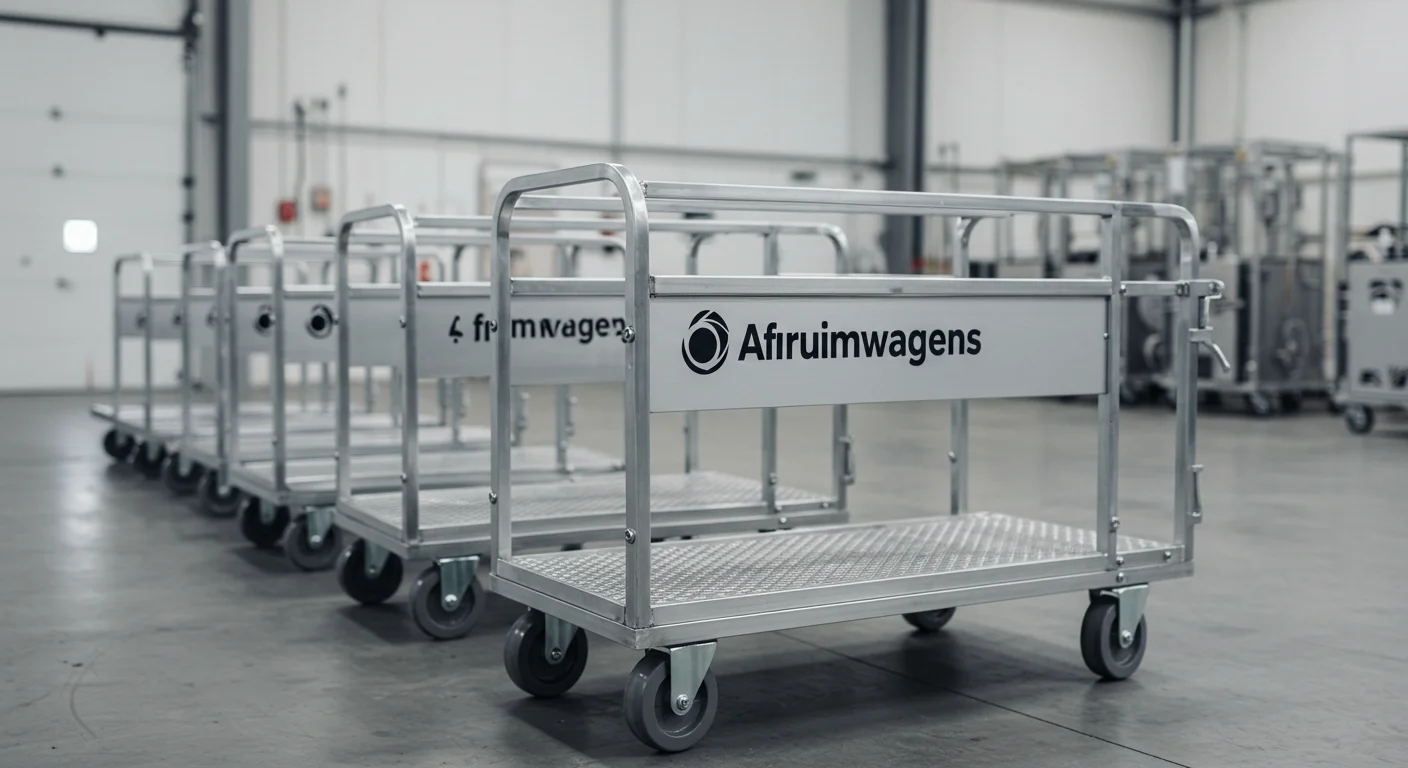
Afruimwagens, or clearing trolleys, are an essential piece of equipment used in various industries where quick and efficient transport of items is necessary. Whether you are working in the food service industry, healthcare, or any other environment where large volumes of items need to be moved from one place to another, afruimwagens play a crucial role.
What Are Afruimwagens?
Afruimwagens are specialized trolleys or carts designed primarily for the purpose of clearing or moving items such as dishes, cutlery, trays, food waste, or supplies. These trolleys are commonly used in settings like restaurants, hotels, hospitals, event venues, and factories. The primary function of an afruimwagen is to assist in quickly collecting and transporting items from one area to another, making work processes more efficient and less physically demanding.
Why Are Afruimwagens Important?
Using afruimwagens in any professional setting comes with multiple advantages that go beyond simple transportation. Their design and functionality help streamline tasks, improve efficiency, and reduce physical strain. Here are some of the key reasons why afruimwagens are important:
- Time-Saving: By allowing workers to carry multiple items at once, these trolleys eliminate the need for multiple trips, saving valuable time, especially in busy environments such as kitchens or hospitals.
- Efficiency: With afruimwagens, workers can clear large amounts of dishes, food trays, and waste at once, improving the overall workflow and reducing clutter.
- Reduced Physical Strain: Moving heavy trays, dishes, and waste manually can lead to strain and injury. Afruimwagens make the process much easier by taking the weight off employees’ shoulders.
- Hygiene: In settings like food service or healthcare, cleanliness is a priority. The design of afruimwagens helps maintain hygiene by providing a safe and contained way to move waste and food debris.
The Different Types of Afruimwagens
There are several variations of afruimwagens, each designed for specific tasks and environments. Below are the most common types and their uses:
1. Standard Afruimwagens
These are basic trolleys with one or more shelves designed to carry dishes, trays, and other dining items. They are typically used in restaurants, cafés, and cafeterias for clearing tables and returning dirty items to the kitchen.
2. Heavy-Duty Afruimwagens
These are designed for more robust tasks, such as transporting large quantities of supplies, tools, or waste in environments like factories, hospitals, or warehouses. They are built with strong frames and large wheels to handle heavy loads.
3. Waste Handling Afruimwagens
These trolleys are specifically designed to handle waste. They feature separate compartments or bins to segregate recyclable items, organic waste, and non-recyclable materials, ensuring a more sustainable waste disposal process.
4. Tray Return Afruimwagens
Used in cafeterias, schools, or large dining events, these specialized trolleys are designed for the collection of used trays, utensils, and other dining materials. They often feature designated spaces for separating used trays and utensils.
Key Features of Afruimwagens
When choosing the right afruimwagen, it’s important to consider certain features that will make it more effective for your needs:
1. Material
The material used in constructing an afruimwagen is important for both durability and hygiene. Stainless steel is a popular choice due to its resistance to rust, its easy-to-clean surface, and its ability to withstand heavy-duty usage. Plastic models are lighter but might not be as durable.
2. Number of Shelves
The number of shelves on an afruimwagen determines how much material can be transported at once. For high-volume areas, opting for a multi-shelf model can significantly improve efficiency.
3. Wheel Type
Since afruimwagens are designed to be moved easily, the quality of the wheels is crucial. Swivel wheels make it easier to maneuver in tight spaces, while larger wheels provide better stability for heavy loads.
4. Load Capacity
Depending on the tasks, choosing an afruimwagen with an appropriate load capacity is essential. For light use, smaller models may suffice, but for heavy-duty applications, look for trolleys that can carry more weight without compromising stability.
Benefits of Using Afruimwagens in Various Industries
1. In the Hospitality Industry
In the food service industry, afruimwagens play a pivotal role in streamlining operations. For instance, they help staff clear tables quickly, reducing the turnaround time between customers. Restaurants and cafés benefit from these trolleys by maintaining a clean dining environment while also ensuring that staff members do not get overburdened with heavy lifting.
2. In Healthcare Settings
Hospitals and healthcare facilities require high levels of hygiene and efficiency. Afruimwagens are used to transport food trays, waste, and medical supplies from one area to another. Their role in improving efficiency and maintaining cleanliness cannot be overstated in such critical environments.
3. In Event Management
At large events, whether they are corporate functions, weddings, or conferences, afruimwagens are used to clear used plates and trays from tables. Event planners and caterers can use these trolleys to enhance service speed, reduce clutter, and improve guest satisfaction.
4. In Warehouses and Storage Areas
Large warehouses, manufacturing plants, and storage facilities also benefit from the use of afruimwagens. These trolleys help workers transport products, tools, or equipment across large spaces, making operations smoother and reducing the need for excessive physical labor.
How to Choose the Right Afruimwagen
Choosing the right afruimwagen depends on several factors, including the nature of the work environment, the weight and volume of the items being moved, and the specific features required. Here are some tips to consider:
- For Food Service: Choose a model with smooth, swivel wheels for easy maneuverability around tight spaces. Stainless steel is a good option for hygiene and durability.
- For Healthcare: Look for a lightweight afruimwagen that is easy to push and has compartments for sorting medical supplies and waste.
- For Industrial Use: Consider heavy-duty models with a high load capacity and large, durable wheels to handle rough terrain and heavy materials.
Afruimwagens for Different Purposes: A Comparison
| Type of Afruimwagen | Use | Material | Load Capacity | Ideal Setting |
| Standard Afruimwagen | Moving dishes, trays, and cutlery | Stainless Steel | Medium | Restaurants, Cafeterias |
| Heavy-Duty Afruimwagen | Transporting heavy materials | Steel or Plastic | High | Warehouses, Factories |
| Waste Handling Afruimwagen | Waste separation and collection | Plastic or Steel | Low to Medium | Hospitals, Event Venues |
| Tray Return Afruimwagen | Collecting used trays and utensils | Stainless Steel | Medium | Schools, Buffets |
Maintenance and Care of Afruimwagens
To ensure your afruimwagens last for a long time and continue to perform efficiently, regular maintenance is necessary. Here are a few tips:
- Clean the afruimwagen regularly, especially if it is used in food service or healthcare environments.
- Check the wheels periodically for wear and tear. Replace them as needed to avoid issues with mobility.
- Inspect the frame and shelves for damage. Tighten any loose screws or bolts to maintain stability.
- If using a plastic afruimwagen, be mindful of cracks or chips that may develop over time.
Conclusion
In any environment that requires efficient transport and clearing of items, afruimwagens provide a practical solution to enhance productivity and reduce physical strain. Whether you’re working in food service, healthcare, event management, or warehouses, these trolleys play a significant role in ensuring operations run smoothly.
Investing in the right afruimwagen for your needs, whether for lightweight tasks or heavy-duty use, will help improve workflow, maintain cleanliness, and make life easier for your employees. Understanding the various types and features available will allow you to select the best option suited to your environment, ensuring optimal performance and longevity.
By incorporating afruimwagens into your operations, you can streamline your processes, enhance workplace safety, and ultimately create a more organized, efficient working environment.
FAQ’S
1. What are afruimwagens used for in the foodservice industry?
Afruimwagens are primarily used in the foodservice industry to clear used dishes, trays, and cutlery from tables and transport them to dishwashing areas. These trolleys help maintain a clean and organized dining area while saving time and effort for staff members. They are also used for collecting waste and segregating items for proper disposal.
Learn more about restaurant equipment here.
2. What materials are afruimwagens made from?
Afruimwagens are commonly made from materials such as stainless steel, plastic, or a combination of both. Stainless steel is preferred in environments where hygiene is crucial, as it is durable, rust-resistant, and easy to clean. Plastic afruimwagens are lighter and suitable for less demanding environments but may not be as long-lasting as stainless steel.
3. How can afruimwagens improve operational efficiency in hospitals?
In hospitals, afruimwagens are used to transport food trays, medical supplies, or waste, ensuring that items are moved quickly and safely between different areas. Their efficient design helps reduce manual labor, improve hygiene, and speed up the process of clearing or delivering necessary materials, ultimately improving patient care and staff productivity.
4. What are the different types of afruimwagens available?
There are several types of afruimwagens designed for different purposes, including standard trolleys for food and waste collection, heavy-duty carts for industrial use, and waste handling models with compartments for recycling and sorting. Each type is designed to cater to specific needs based on load capacity, material, and environment.
5. How do you maintain afruimwagens for long-term use?
To maintain afruimwagens, it is important to regularly clean and sanitize them, especially if used in foodservice or healthcare. Check the wheels for wear and tear and ensure that the trolleys are properly lubricated to avoid issues with movement. Inspect the frame for any signs of damage and tighten any loose screws or bolts to ensure stability.