




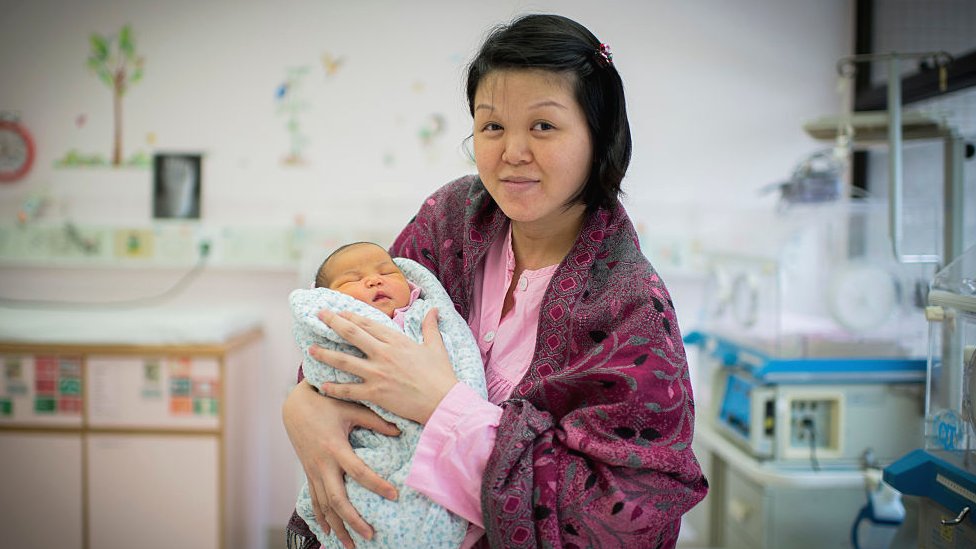
Bringing a baby into the world is a life-changing experience, and doing it far from home can feel both exciting and overwhelming. For many expatriates, giving birth in China as a foreigner is an unexpected chapter in their journey — one filled with cultural surprises, modern healthcare, and valuable lessons about life abroad.
Whether you recently moved to China or have been here for years, understanding how the maternity system works can help you feel more confident as you prepare to welcome your newborn.
China’s Modern Maternity System: More Advanced Than Many Expect
One of the first things foreigners notice is how technologically advanced China’s major hospitals are. Big cities like Beijing, Shanghai, Shenzhen, and Guangzhou offer top-tier maternity care comparable to Western countries.
Expectant parents usually choose between:
1. International Hospitals
These facilities feel familiar to foreigners — private rooms, English-speaking staff, Western-trained doctors, and calm waiting areas. They come with a higher price tag, but many expats consider them worth the comfort.
2. Public Maternity Hospitals
Public hospitals deliver the majority of babies in China. They are fast-paced and busy, but the medical staff is highly experienced due to the large number of births handled annually. The process is efficient, although English support may be limited.
The choice often comes down to personal preference, insurance coverage, and how comfortable parents feel navigating the local language.
Understanding Pregnancy Checkups in China
The routine of prenatal appointments is slightly different from many Western countries. Most hospitals use a maternity booklet, a document that tracks all your test results and doctor notes. You’ll bring it to every appointment.
Foreign families can expect:
- Detailed ultrasound scans
- Regular blood work
- Glucose testing
- Close monitoring in later trimesters
Many hospitals also offer optional services like 4D scans, private consultation rooms, and fetal monitoring classes.
For those giving birth in China as a foreigner, keeping organized records is essential, especially if planning to deliver at a different hospital from where prenatal care started.
Delivery Day: What to Expect
Hospital procedures differ, but these are common experiences:
- You may need to pre-register for delivery
- Epidurals are available, especially in international hospitals
- Skin-to-skin contact and breastfeeding support are offered, depending on hospital policy
- Partners are usually allowed in the delivery room in private hospitals
- Public hospitals may have specific rules about visitation
One unique aspect is that Chinese hospitals often encourage mothers to remain in the hospital for several days after birth for monitoring and rest, which many foreigners appreciate.
Postpartum Culture: A Whole New World
Afterbirth traditions in China open a window into a fascinating part of local culture. The concept of “zuo yue zi” — a one-month recovery period — is taken very seriously. New mothers are encouraged to rest, avoid cold foods, and focus on healing.
Some expatriates follow these traditions fully or partially, while others choose a Western-style recovery.
Many cities also offer luxury postpartum centers where mothers and newborns stay in private suites with nurses, nutritionists, and on-demand support — a service many foreigners describe as a “five-star recovery experience.”
Registering Your Baby: The Important Paperwork
Once your baby is born, two official tasks must be completed:
✔ Chinese Birth Certificate
The hospital provides documents that must be submitted to the local health authority to generate the official birth certificate.
✔ Embassy Registration
Foreign parents must register the birth with their embassy or consulate to secure the baby’s passport and nationality.
Starting early prevents delays, especially if travel plans depend on the paperwork.
Tips Only Foreign Parents in China Know
After years of expat experiences, here are some helpful insights from foreign parents:
- Book your hospital early — popular ones fill up quickly
- Always carry your maternity booklet
- Download a translator app for public hospital visits
- Ask hospitals in advance about delivery room policies
- Join expat parenting groups for real-life advice
- Don’t be afraid to ask doctors questions — they expect it
These small steps can make the entire journey smoother and more reassuring.
Final Thoughts
For many expatriates, giving birth in China as a foreigner becomes one of their most memorable life experiences — a blend of modern healthcare, cultural traditions, and the warmth of the local community. With the right preparation, a supportive hospital, and a clear understanding of the process, welcoming a child in China can be both safe and rewarding.
Whether you’re soon becoming a parent or just beginning your research, China offers a maternity journey filled with comfort, care, and unique cultural richness.