

When most people think of sun damage, they imagine sunburns and faded car interiors. But the sun’s ultraviolet (UV) rays can be just as damaging to your home. Whether you live in a sun-soaked desert or a mild coastal area, long-term exposure to UV radiation can lead to serious wear and tear on your home’s exterior and interior. Understanding how UV rays affect your property can help you take proactive steps to protect your investment and maintain its appearance and value.
Fading and Discoloration
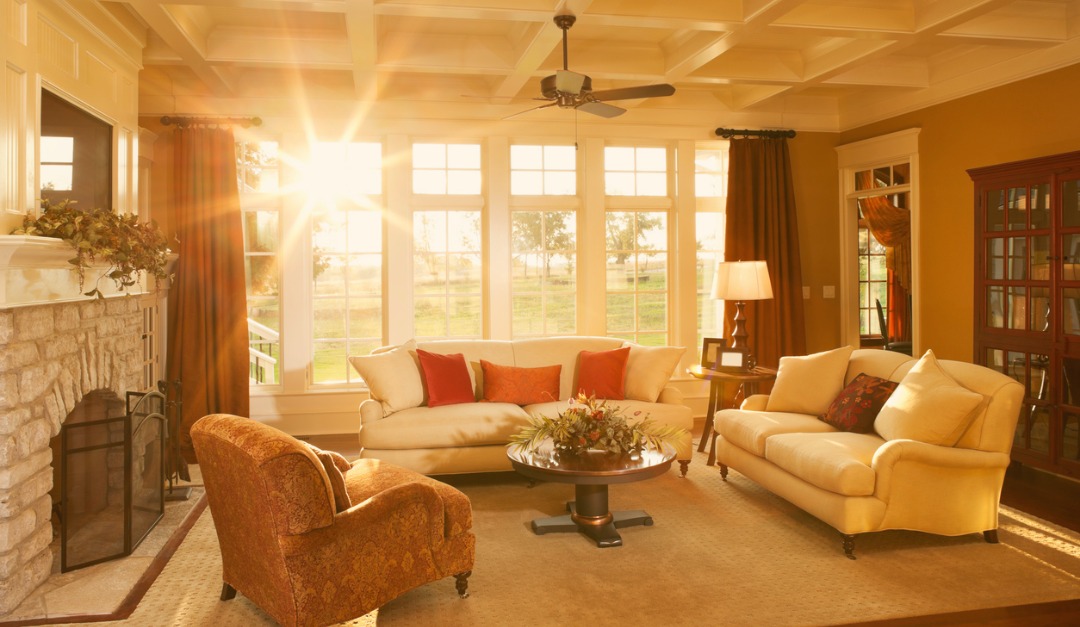
One of the most visible effects of UV damage in homes is fading. UV rays break down chemical bonds in materials, which leads to discoloration over time. Inside your home, this means your beautiful hardwood floors, vibrant upholstery, curtains, and artwork can all lose their color when exposed to direct sunlight.
Furniture placed near windows, especially those without UV protection, will show signs of fading unevenly. Dark fabrics tend to lighten, while lighter materials may take on a yellowish or washed-out appearance. This not only affects aesthetics but also shortens the lifespan of interior furnishings and finishes.
Warping and Cracking
Wood and certain plastics are especially susceptible to UV damage. Prolonged exposure to sunlight can dry out wood, leading to warping, splitting, or cracking. This can affect wooden doors, decks, window frames, and even interior flooring. Plastics, often used in window trim or siding, may become brittle and prone to cracking or flaking when exposed to constant UV radiation.
This structural weakening may not be immediately obvious, but over time it can lead to costly repairs. Maintaining your home’s structure is about more than just looks—it’s about ensuring safety and longevity.
Roofing Degradation
Your roof is your home’s first line of defense against the elements, and it takes the brunt of UV exposure daily. UV rays can cause roofing materials—especially asphalt shingles—to deteriorate prematurely. The result? Shingles may become brittle, curl, or lose granules, reducing their effectiveness and lifespan.
This type of damage can lead to water leaks and decreased energy efficiency, increasing your utility bills and repair costs. Regular roof inspections and the use of UV-resistant materials can help extend the life of your roof significantly.
Window Damage and Energy Inefficiency
Standard glass windows provide limited defense against harmful UV radiation. Although they block a significant portion of UVB rays (the kind responsible for sunburn), they still allow UVA rays to enter your home. These rays can cause your furniture, flooring, and décor to fade over time and may even lead to higher indoor temperatures, forcing your HVAC system to work harder and increasing your energy bills.
To better protect your home, consider upgrading to double-pane or specially treated windows with UV-blocking coatings or films. These advanced window solutions significantly reduce UV penetration, helping preserve your interior and improve overall energy efficiency. If you’re in Utah, many window companies in Salt Lake City offer high-performance, UV-resistant window options designed specifically for homes in sunny climates. Working with a local expert can ensure your windows are both protective and tailored to your home’s needs.
Exterior Siding and Paint Fading
Your home’s curb appeal can take a hit from UV exposure as well. Sunlight breaks down pigments in paint and siding, leading to faded, chalky, or patchy surfaces. Vinyl siding, in particular, is prone to becoming brittle and warped over time. Painted exteriors may require more frequent repainting if not protected with UV-resistant finishes.
To preserve your home’s exterior, use high-quality paints and materials specifically designed to resist UV degradation. Lighter colors also tend to reflect more sunlight, reducing heat absorption and slowing the fading process.
How to Protect Your Home from UV Damage
Fortunately, there are several ways to reduce UV damage and keep your home in top shape:
- Use Window Films or UV-Blocking Glass: These can drastically reduce the amount of UV radiation entering your home and protect interior furnishings.
- Install Awnings or Shades: External shading devices help block direct sunlight before it reaches your windows.
- Apply UV-Resistant Finishes: For wood surfaces, especially decks and siding, use sealants and finishes formulated to block UV rays.
- Invest in Quality Paint: Exterior paints with UV inhibitors will last longer and maintain their color.
- Maintain Landscaping: Trees and shrubs can provide natural shade, shielding parts of your home from direct sun exposure.
Final Thoughts
Sunshine might brighten your day, but it can dim the vibrancy and durability of your home if left unchecked. From faded interiors to compromised roofs and siding, the damage from UV rays is real—and often costly. However, by understanding how UV rays harm your property and implementing preventative measures, you can protect your home’s beauty, function, and value for years to come.
Taking a proactive approach to sun protection isn’t just about preserving appearances—it’s about smart homeownership. A little effort now can save you from big expenses later.