




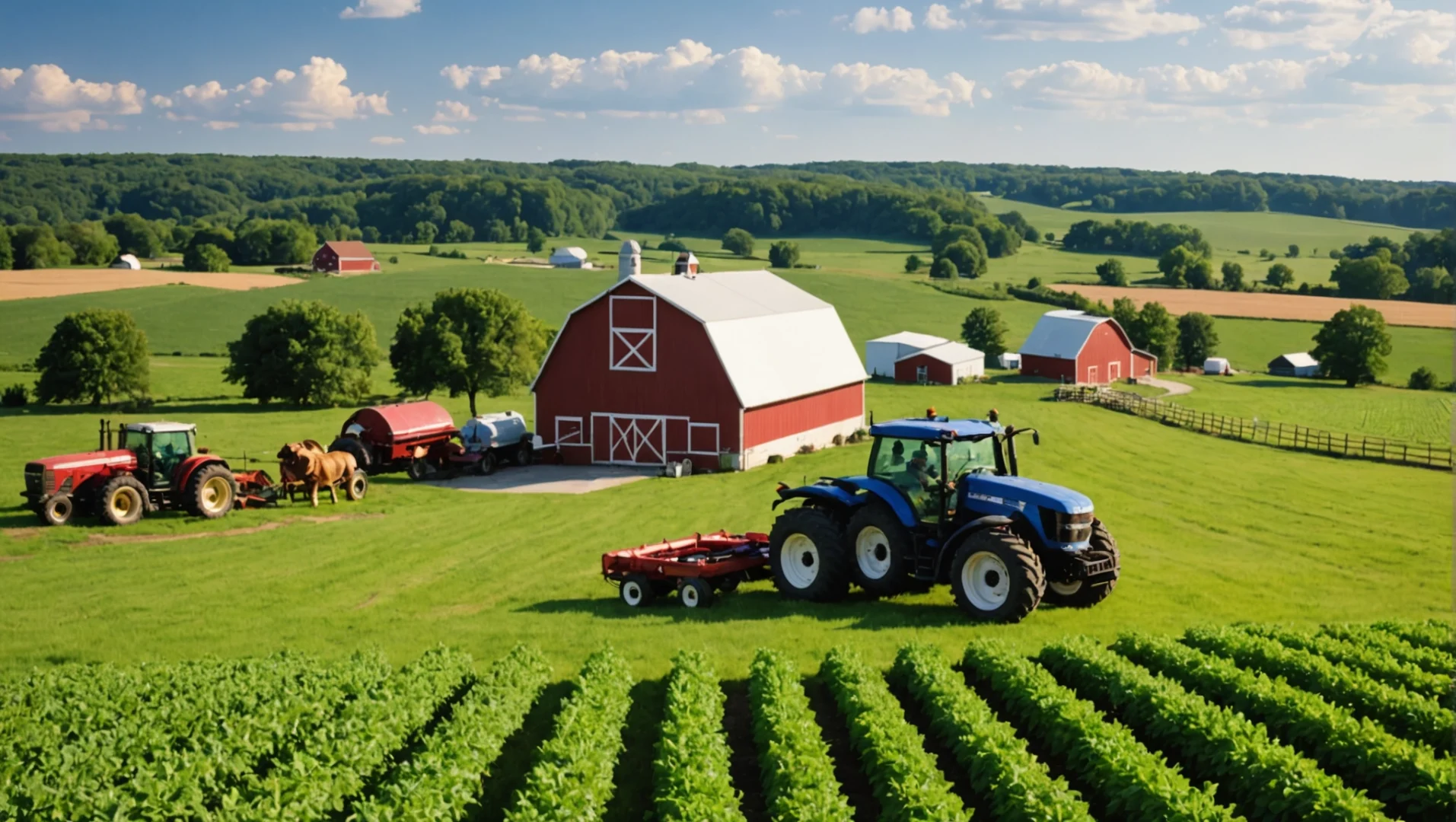
Agricultural buildings are no longer just traditional barns for storing hay or sheltering livestock. Today, they serve a wide range of functions—from housing sophisticated equipment to supporting agritourism ventures and on-site product processing. Whether you’re a seasoned farmer or new to managing rural property, owning and maintaining an agricultural building is both a responsibility and an opportunity. Turning your barn into a functional asset takes thoughtful planning, regular upkeep, and a business mindset. Here’s practical advice to help you make the most of your agricultural building.
1. Know the Purpose of Your Structure
The first step in maximizing the value of your agricultural building is to define its primary function. Is it meant for storage, housing animals, processing goods, or serving as a workshop? Perhaps it’s multipurpose. Understanding the core use will guide your design choices, layout, and even material selection.
For example, buildings used for equipment storage should have wide doors and high ceilings for easy access. Animal shelters require proper ventilation and insulation. If you’re hosting events or customers, safety codes and aesthetics will play a larger role. Defining your building’s purpose sets the stage for long-term efficiency.
2. Invest in Quality Materials
Agricultural buildings must withstand a variety of harsh environmental elements, including extreme heat, freezing temperatures, strong winds, and high moisture levels. Choosing high-quality materials is essential to ensure your structure endures these conditions over time. Opt for galvanized steel for sturdy framing, treated wood to prevent rot and insect damage, and durable metal roofing for long-term protection.
In snowy regions, installing snow guards on metal roofs is a smart addition—they help prevent dangerous snow slides that could damage property or injure people below. While premium materials and features like snow guards may involve a higher initial investment, they significantly reduce long-term maintenance costs and enhance the building’s durability. If you’re restoring an older barn, it’s also wise to reinforce the foundation and structural elements to align with modern safety and performance standards.
3. Ensure Proper Ventilation and Lighting
Airflow is crucial, especially in buildings used for livestock or crop storage. Poor ventilation can lead to mold growth, unhealthy conditions, and loss of product. Ridge vents, sidewall vents, and fans can help circulate fresh air throughout the structure.
Natural lighting through skylights or translucent panels can reduce electricity use while creating a safer, more pleasant environment. If your building doubles as a workspace, adequate task lighting is essential. Energy-efficient LED lighting is a great option for long-term savings.
4. Plan for Easy Access and Movement
Agricultural operations often involve large equipment, vehicles, and frequent movement of goods. Design your building with accessibility in mind. Wide, roll-up doors, clear pathways, and thoughtful layout can reduce time and labor costs.
If your building is used for business operations—such as a farm store or processing area—consider ADA compliance and customer-friendly features like ramps, signage, and parking. Efficiency in design translates to smoother operations and a better experience for both workers and visitors.
5. Focus on Regular Maintenance
Preventive maintenance is key to avoiding costly repairs. Schedule seasonal inspections to check for roof damage, rust, pest infestations, and structural wear. Clean gutters, inspect door hardware, and ensure all mechanical systems are functioning properly.
Keep a maintenance log to track repairs and upgrades. A well-maintained building holds its value better and is more adaptable to changing business needs over time.
6. Integrate Technology Where It Counts
Modern farming and agribusiness benefit from smart technology. Consider installing temperature and humidity sensors to monitor indoor conditions. Automated lighting, security systems, and even Wi-Fi access can enhance productivity and security.
If you’re storing sensitive materials like seed, feed, or perishables, remote monitoring tools can alert you to potential issues before they become major problems. Integrating tech not only improves efficiency but adds a layer of professionalism to your operation.
7. Think About Future Expansion
Agricultural businesses grow and evolve. When designing or upgrading your building, plan with future needs in mind. Is there room to add solar panels, attach a lean-to shed, or expand interior storage? Modular construction techniques can make expansion easier down the line.
Even small choices—like installing a larger electrical panel or choosing open interior framing—can pave the way for future upgrades. Flexibility is a wise investment in any long-term venture.
8. Stay Compliant with Zoning and Safety Codes
Before making any modifications, always check local zoning regulations, building codes, and agricultural exemptions. Permitting processes can vary greatly depending on your location and intended building use.
Fire safety, electrical wiring, and structural integrity are critical areas where compliance matters. If you open your building to the public—for example, through agritourism—you’ll need to meet additional health and safety standards. Consulting a local agricultural extension office or licensed contractor can help ensure your building stays above board.
Final Thoughts
Owning an agricultural building comes with challenges, but it also unlocks incredible potential. From traditional farming support to modern agribusiness applications, your structure can be a powerful asset when properly managed. By combining practical planning with ongoing maintenance and a forward-thinking approach, you can take your barn from a basic building to a cornerstone of your agricultural business.
Whether you’re raising crops, livestock, or profits—your barn has a role to play. Make it count.