




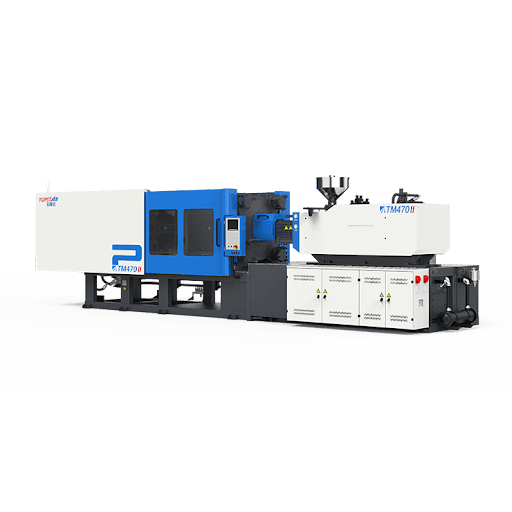
Plastic molding machines require precise alignment to produce consistent, high-quality parts while minimizing wear. Misalignment can lead to flash, uneven part dimensions, excessive mold wear, and even machine damage. This guide explores practical ways to identify and correct common alignment issues on the plastic molding machine, helping operators maintain optimal performance and extend the life of their equipment.
Identifying the Signs of Misaligned Plastic Molding Machine
The first step in resolving alignment issues is to identify their symptoms. Common indicators include uneven parting lines on molded parts, excessive flash on one side of the product, or inconsistent part dimensions. Operators may notice unusual noises during clamping, such as knocking or grinding. The machine may also experience uneven plate movement or require higher clamping pressure to keep the mold adequately closed.
Visual inspection can reveal signs such as uneven wear on mold surfaces or guide pins. Monitoring hydraulic gauges during operation may show fluctuations when alignment is misaligned. Modern machines equipped with sensors may display error codes related to platen parallelism or clamping force distribution. Recording when and where defects occur can help pinpoint whether alignment issues stem from the machine, mold, or mounting surface.
Checking the parallelism of the platens on a plastic molding machine
Platen parallelism is critical to proper mold alignment. To check, clean both platens thoroughly and use a precision ground parallelism gauge with a micrometer. Measure the four corners with the platens closed. The maximum allowable deviation is typically 0.02 mm per 300 mm platen dimension, but always refer to the machine’s specifications.
For hydraulic machines, verify parallelism at minimum and maximum stroke positions. Because the hydraulic system may stabilize, check the measurement after a few clamping cycles. Check the toggle links for wear for toggle machines, which may affect alignment. If they are not parallel, you may need to adjust the stationary plates, recalibrate the tie rod nuts, or repair the clamping mechanism. Regularly checking parallelism should be part of preventive maintenance, especially after mold changes or machine repairs.
Aligning mold components with plastic molding machines
Proper mold alignment begins with proper installation. Always use lifting equipment designed for the mold, and never use machine power to force alignment. First, make sure the mold’s alignment rings and guide pins are intact and well lubricated. Then, install the stationary mold half, making sure it is flush with the platen with no play.
Then, bolt it in with an alignment bar or laser system to locate the mobile mold half. Insert a thin feeler gauge around the perimeter of the mold to check that the mold halves fit evenly. Thermal expansion is critical—allow the heated mold to reach operating temperature before making a final alignment check. For multi-cavity molds, verify the alignment of individual cavities using part weight measurements and dimensional checks. Proper mold alignment reduces wear and improves consistent part quality.
Verify tie-bar alignment
Tie-bar problems often lead to elusive alignment issues. Check tie-bar straightness with a precision level or laser alignment tool. Check for stretched threads or damaged nuts, which can affect the positioning of the platen. Uneven tie-bar tension is a common problem—use a calibrated tension gauge to ensure that all tie-bars are evenly tensioned.
If available, use a displacement transducer to monitor the elongation of the tie bars during the clamping cycle. Uneven tie-bar elongation indicates a centering problem. Lubricate tie-bar threads regularly with a suitable anti-seize compound. For hydraulic tie rod systems machines, ensure pressure is balanced across all cylinders. Any tie rod issues should be addressed immediately as they can lead to severe platen misalignment and costly repairs.
Alignment of Ejector and Core Pull Systems
Ejector system misalignment can cause many problems. Check that the ejector plate moves freely and without binding. Measure parallelism between the ejector plate and platen surfaces. Ensure that all ejector rods are correctly installed and equal in length. For hydraulic ejectors, ensure that the cylinders are square and that the ejector rods are evenly extended. Core pull systems require special attention to alignment. Check that the slides are free of obstruction. Monitor the locating pins and wear plates for excessive clearance. Use pressure-sensitive film to check that sliding surfaces are in even contact. Proper core movement timing and alignment prevent mold damage and improve part quality. Record all clearances and adjustments for future reference during maintenance.
Maintain Precision Alignment for High-Quality Production
Proper alignment is fundamental to plastic molding machine performance and product quality. Manufacturers can avoid costly downtime and quality issues by implementing a systematic inspection approach and correction procedures. Regular alignment checks should become routine, not just a troubleshooting step when problems arise. Good alignment maintenance can extend mold life, improve part consistency, and reduce energy consumption.