


Ever watched your revenue numbers slip away while your sales team scrambles to figure out what went wrong? That sinking feeling hits hard when targets disappear and nobody can pinpoint the exact moment things started falling apart. Here’s something that might surprise you: 73% of B2B marketers and sales leaders say webinars are an effective way to generate high-quality leads, yet most companies have zero clue which content actually brings in their best prospects.
You’re essentially flying blind when you don’t have structured evaluation processes. Your team makes gut-feeling decisions instead of data-driven ones. And honestly? That creates this endless loop of missed opportunities and burned cash that keeps everyone frustrated.
Essential Components of a High-Performance Sales Audit Checklist
Look, building better performance tracking isn’t rocket science – but it does require understanding what actually makes audits worth your time. Too many sales teams still rely on methods that completely miss the important stuff.
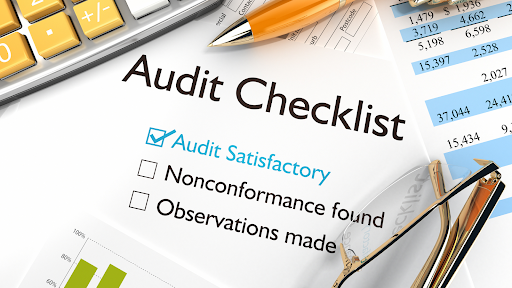
Here’s where a comprehensive sales audit checklist changes everything. Instead of crossing your fingers and hoping your team hits numbers, you get concrete evidence showing exactly where things need fixing. The companies that consistently crush their goals versus those that struggle? It usually comes down to this systematic approach.
Think about it this way: successful organizations don’t guess – they measure, analyze, and improve.
Performance Metrics Integration Points
Your checklist needs to grab both the early warning signs and the final results that actually matter to your bottom line. Stop obsessing over how many calls got made or emails sent. Start focusing on metrics that connect directly to revenue generation.
Conversion rates by stage, deal velocity, customer acquisition costs – these tell the real story. Quality beats quantity every single time. That rep is making fewer calls but converting like crazy? They deserve recognition, not criticism for low activity numbers.
Real-Time Data Collection Frameworks
Last quarter’s static reports won’t help you fix today’s problems. Your audit framework needs live data that updates throughout the entire sales cycle. This means connecting your CRM, email platforms, and communication tools into one unified system.
Here’s a pro tip: automate data capture wherever possible. Manual entry creates delays and introduces errors that mess up your tracking accuracy. Nobody has time for that.
Automated Tracking Triggers and Alerts
Smart notifications should flag performance problems before they become disasters. When deal velocity slows down or win rates drop below historical averages, your system needs to automatically alert the right people.
Catching problems early beats discovering them during quarterly reviews when it’s already too late to recover. Trust me on this one.
With these pieces in place, you can leverage systematic auditing to unlock deeper insights that basic tracking methods completely miss.
Advanced Sales Performance Tracking Through Systematic Auditing
Sales performance tracking becomes incredibly powerful when you dig beneath surface-level metrics to examine the patterns that actually drive results.
KPI Alignment and Measurement Protocols
Your tracking system should create direct connections between individual activities and company revenue goals. This means building clear pathways from daily actions to quarterly targets. Every metric you track should answer one question: “How does this contribute to our bottom line?”
Different sales cycles need different tracking approaches. B2B enterprise sales require completely different protocols than transactional B2C sales. One size definitely doesn’t fit all here.
Conversion Funnel Analysis Checkpoints
With real-time data, ShelfWatch helped reduce store audit time by 50% and delivered more accurate and consistent insights into store performance. This level of precision becomes possible when you establish specific checkpoints throughout your sales funnel.
Map every single stage of your buyer’s journey. Identify where prospects typically stall or exit. These friction points become your highest-priority improvement targets.
Revenue Attribution Tracking Methods
Understanding which activities generate the most revenue helps you improve sales performance by focusing resources on what actually works. Multi-touch attribution models give you clearer pictures than simple first-touch or last-touch models.
Don’t overlook team selling or collaborative efforts. Individual attribution models often miss how modern B2B sales actually happen – it’s usually a team sport.
Today’s high-performing sales teams need digital-native templates that integrate seamlessly with their existing tech stack.
Digital-First Sales Audit Checklist Templates for Modern Teams
Technology completely transforms how we approach auditing, making everything faster and more accurate than ever before.
CRM Integration Audit Points
When you’re evaluating workflow, make sure your sales audit checklist verifies that all customer touchpoints flow seamlessly into your CRM system. Data integration gaps create blind spots that compromise tracking accuracy. Check for duplicate records, incomplete profiles, and missing interaction histories.
Here’s the thing, though – ensure your team actually uses the CRM consistently. The world’s best system doesn’t help if your reps bypass it for spreadsheets or sticky notes.
Sales Technology Stack Assessment
Modern sales teams use dozens of tools, but integration gaps between platforms create serious tracking problems. Your audit should map data flows between all systems and identify where information gets lost or duplicated.
Regular technology audits prevent “tool sprawl” that overwhelms teams and kills productivity. Nobody needs that headache.
AI-Powered Performance Analytics Setup
Artificial intelligence identifies patterns humans miss, but only when properly configured. Your sales audit checklist should verify that AI tools have access to clean, complete data sets and that their insights align with business objectives.
Don’t let AI become a black box – ensure your team understands how algorithms reach their conclusions.
Companies implementing these digital-first audit approaches see quantifiable improvements across key performance indicators.
Measurable Sales Audit Benefits for Performance Optimization
The sales audit benefits extend way beyond just having better data – they translate directly into improved business outcomes.
Predictive Performance Forecasting Improvements
When you have comprehensive historical data, forecasting becomes significantly more accurate. Your audit process should capture enough detail to identify seasonal patterns, market trends, and performance cycles that inform future planning.
Accurate forecasting helps with resource allocation, hiring decisions, and revenue planning across your entire organization. It’s a game-changer.
Sales Cycle Acceleration Metrics
Systematic auditing reveals exactly where deals get stuck and why. By identifying common bottlenecks, you can develop specific interventions that help prospects move faster through your pipeline.
Track not just overall cycle length but also time spent in each stage. This granular view helps optimize each phase of the sales process.
Territory and Rep Performance Benchmarking
Fair performance comparisons require understanding the unique challenges each rep faces. Territory size, market maturity, and competitive landscape – all these factors impact individual results.
Benchmarking helps identify your top performers’ best practices so you can scale them across the entire team.
These benefits become even more powerful when organizations transform audit insights into custom-built management tools.
Building Custom Sales Management Tools from Audit Insights
Raw audit data only becomes valuable when you transform it into actionable sales management tools that help your team perform better.
Dashboard Creation from Checklist Data
Data gathered from your sales audit checklist should feed directly into management dashboards that provide real-time visibility into team performance. Design these dashboards around metrics that matter most to different stakeholders – executives need different views than front-line managers.
Keep dashboards simple and focused. Information overload paralyzes decision-making rather than improving it.
Performance Alert Systems Development
Automated alerts help managers intervene at the right moments. Set up notifications for deals at risk, reps struggling with specific activities, or opportunities that need executive attention.
Calibrate alert thresholds carefully – too many false alarms train people to ignore important warnings.
Coaching Intervention Triggers
Your audit data should automatically identify when reps need specific coaching support. Whether someone struggles with discovery calls, proposal presentations, or closing techniques, targeted interventions deliver better results than generic training.
Track coaching effectiveness by measuring performance improvements after interventions.
Quick Answers to Your Sales Tracking Questions
How do you keep track of your sales performance?
Monitor win rates, sales cycle length, lead-to-customer conversion rates, and average deal size. These four metrics provide comprehensive insight into both efficiency and effectiveness across your entire sales process.
What’s the difference between a sales audit checklist and regular performance reviews?
A sales audit checklist examines systematic processes and data integrity, while regular performance reviews focus on individual rep achievements. Audits identify structural improvements; reviews address personal development needs.
How often should you run a sales audit checklist?
Use a sales audit checklist for quarterly comprehensive audits for most teams, with monthly spot checks on critical metrics. High-growth companies may need monthly full audits to keep pace with rapid changes.
Wrapping Up Your Sales Tracking Success
Effective sales performance tracking isn’t about drowning in data – it’s about collecting the right information and turning it into insights that actually help you win. A well-designed audit checklist becomes your roadmap for consistent improvement. You’ll identify problems before they create your revenue and spot opportunities before competitors even notice them.
The organizations that master systematic auditing don’t just hit their targets more consistently. They set higher targets because they understand exactly what drives their success.