




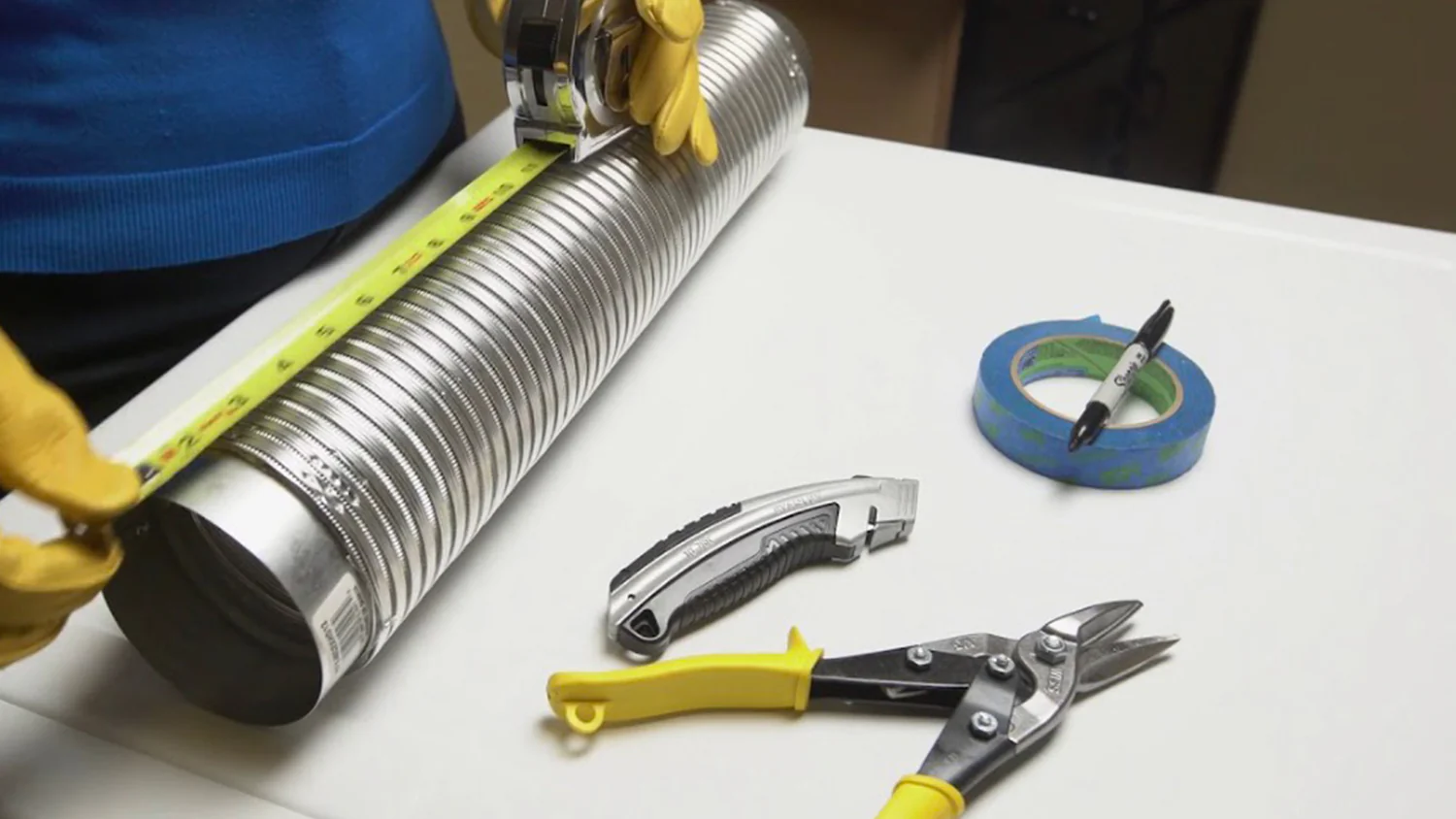
Rerouting your dryer vent can significantly boost energy efficiency and lower utility costs by shortening airflow paths and reducing drying time. Properly configured vents minimize lint buildup, reduce dryer wear, and enhance overall safety. This improvement extends appliance lifespan and supports better indoor air quality. For homeowners with outdated or inefficient vent systems, rerouting offers a smart, cost-effective upgrade that delivers lasting savings and improved performance with minimal disruption.
Understanding Dryer Vent Rerouting
A well-designed dryer vent system maximizes efficiency and safety in your home’s laundry process. Dryers remove moisture from clothes and expel hot, humid air, maintaining a comfortable indoor atmosphere. However, homeowners often find their original vent path outdated due to construction changes, safety standards, maintenance issues, space limitations, convenience, or lack of awareness of best practices. Rerouting a dryer vent involves modifying the exhaust path to direct moist air from your dryer to the outside as efficiently as possible, decreasing obstructions and reducing strain on your appliance. Homeowners are increasingly opting for vent rerouting due to increased energy consciousness and changes in home layouts. Properly rerouting can optimize airflow, minimize risk, and lower utility costs. A streamlined vent system reduces energy waste and keeps dryers running smoothly. Homeowners also turn to vent rerouting for convenience, measurable energy, and safety benefits, as well as to minimize appliance wear, prolong their lifespan, and reduce the likelihood of breakdowns or costly repairs.
Benefits of Rerouting Your Dryer Vent
- Improved Energy Efficiency:A shorter, straighter vent run means less resistance to airflow, decreasing drying times and reducing overall power consumption. When air moves freely, the dryer’s sensors can more accurately measure humidity, so cycles end promptly instead of running longer than necessary. Over a year, these incremental savings can significantly reduce your energy bills, especially in households that run frequent laundry cycles.
- Enhanced Safety:Rerouted vents help prevent dangerous lint accumulation that can lead to fires, one of the most common causes of house fires, according to the National Fire Protection Association. Lint is highly flammable, and when trapped in a poorly designed duct, it can ignite with just a small amount of excess heat. Keeping vents as short and direct as possible reduces fire risk and makes ongoing maintenance much easier.
- Extended Appliance Lifespan:Minimizing ductwork bends and obstructions lightens the load on your dryer, reducing wear and lengthening its service life. A dryer forced to work against constant back-pressure heats up more quickly, damaging internal parts over time and leading to more frequent repairs or early replacement.
Signs You May Need to Reroute Your Dryer Vent
If you’re experiencing persistent issues with your dryer or vent, it may be time to consider an upgrade. A poorly routed vent can cause frustrating problems that grow worse over time. Watch for these common signs, which often indicate airflow restrictions or poor vent placement:
- Clothes consistently take longer than usual to dry, which can signal blockages or excessive vent distance.
- Visible lint build-up around the dryer or surrounding the vent exit means lint is escaping or not being effectively carried outside.
- Noticeable burning odors during the drying cycle, suggesting lint is overheating within the duct and increasing fire risk.
- The dryer’s exterior is excessively hot after use, as the appliance is forced to work harder due to inadequate ventilation.
In some cases, you may even notice increased humidity or heat in the laundry area, unexpected condensation, or paint peeling around the vent exit—additional signs that your current duct system is not performing at its best.
Steps to Reroute Your Dryer Vent
- Assess the Current Vent Path:Identify the full length and complexity of your dryer’s existing vent route. Long, winding, or flexible ductwork can drastically decrease efficiency and promote lint buildup. While easy to install, a flexible hose creates crevices where lint can accumulate and airflow can stagnate. Map out the current path and note any sharp turns or kinks.
- Plan the New Route:Aim for the shortest and straightest route possible between your dryer and the outside wall or vent hood to ensure optimal airflow. Each unnecessary turn or extension increases the risk of blockages. Ideally, your vent will vent directly through an exterior wall with minimal bends, but if your setup requires a longer route, use sweeping bends instead of sharp angles to allow for smooth airflow.
- Gather Necessary Materials:Rigid metal ductwork is recommended over flexible material, as it prevents sagging and resists lint accumulation. Don’t forget strong clamps, vent covers, and appropriate insulation if the vent passes through unheated spaces. Using proper insulation on ducts running through attics or crawl spaces also prevents condensation and freezing during colder months, which can block the vent and cause water damage.
- Install the New Vent System:Disconnect and remove the original vent, then fit the rigid ducts together using clamps, ensuring all seams are tight and each section is secured to prevent air leaks. Terminate the vent at an exterior point, ideally at least three feet from any doors or windows. Secure the exterior vent cover to prevent pests or debris from entering and ensure it opens easily during dryer operation.
- Test the System:Once the installation is complete, run the dryer regularly and check for smooth, unobstructed airflow. Inspect for air leaks or other issues at each connection point. Place your hand near the outdoor exit to feel the exhaust, which should be warm and forceful. If airflow seems weak, recheck connections and the entire duct for hidden blockages.
Always follow local building codes regarding dryer vent materials and termination points, as non-compliance can pose hazards and affect resale value.
Maintenance Tips for Optimal Performance
- Regular Cleaning:Clean the lint screen after every use, and schedule thorough inspections of the vent system at least once a year. Consider using a long-handled vent cleaning brush or a vacuum to remove internal buildup that a simple lint trap cleaning cannot reach.
- Check for Obstructions:Inspect the vent exit outdoors, clearing away leaves, dirt, or animal nests that could restrict ventilation. Occasionally, birds or rodents will try to nest inside warm vent outlets, so using a vent cover with a built-in screen is an effective preventive measure.
- Monitor Drying Times:Sudden changes in drying performance often point to vent blockages or other issues needing prompt attention. If loads begin taking longer to dry, act quickly to inspect both the duct and the vent hood for obstructions before the problem escalates.
Professional Assistance
While some experienced homeowners may feel equipped to tackle vent rerouting as a DIY project, working with professionals is often the safest option. Experts can navigate local building codes, recommend the ideal materials for your unique home layout, and guarantee an airtight, efficient result. A certified installer will also perform post-installation checks, giving you peace of mind that your system is up to standard and minimizing the risk of costly mistakes or safety hazards. Many professionals also offer maintenance plans, saving you the trouble of remembering annual cleanings.
Conclusion
Upgrading your dryer vent route is more than a minor home improvement—it’s a proactive investment in safety, efficiency, and long-term savings. By committing to high standards in installation and ongoing maintenance, you ensure your dryer operates at peak condition, consumes less energy, and reduces the risk of hazards. Working with a trusted professional ensures optimal results and continued performance for those considering rerouting or upgrading their vent system. Simple choices like route planning and routine cleaning can transform your laundry experience while protecting your investment and home.