




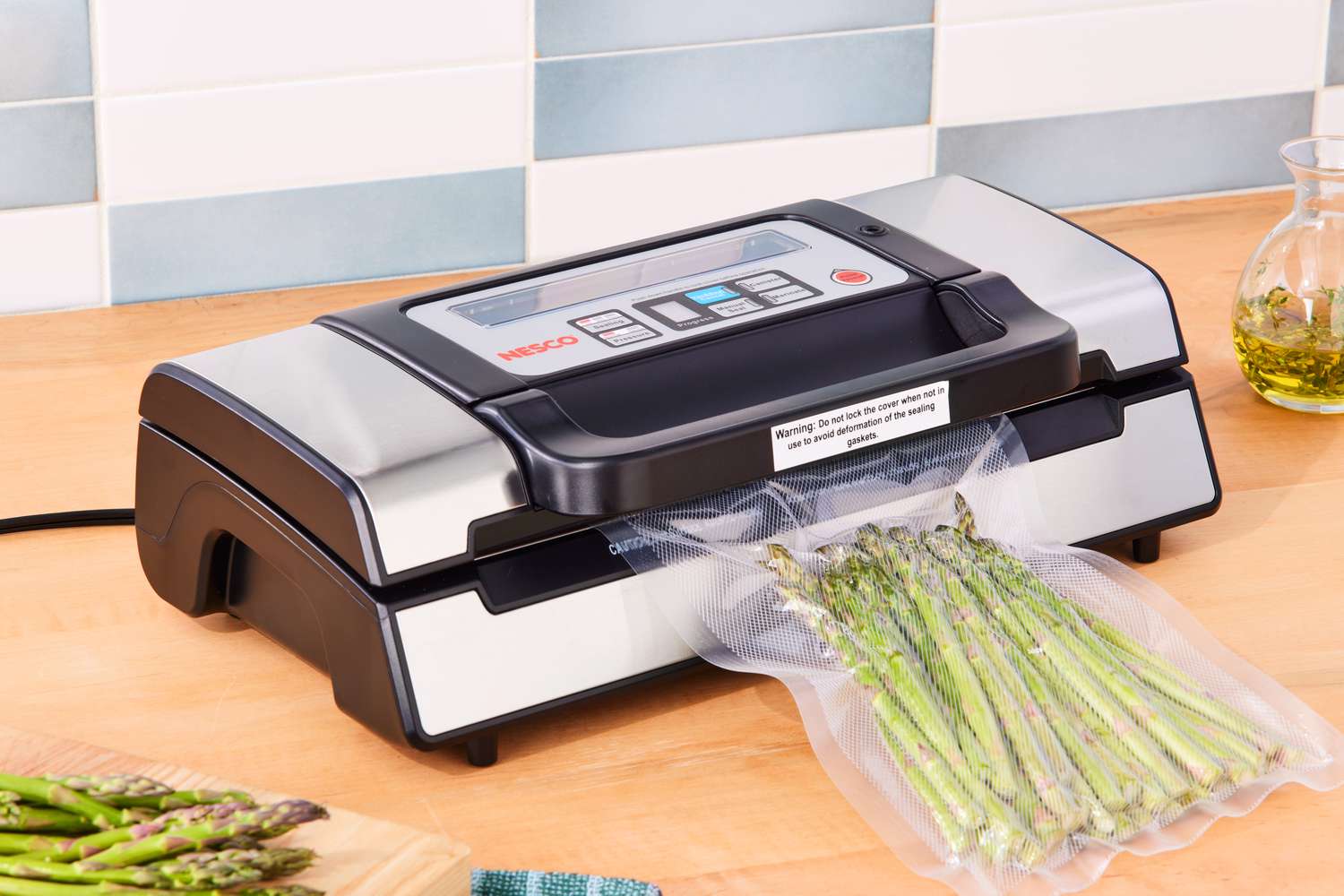
Chamber vacuum sealers are fundamental tools in industrial and professional kitchens, removing nearly all oxygen and creating tight, reliable seals for liquids, powders, and solids. Even with their demonstrated effectiveness, certain misconceptions endure, misguiding people and resulting in diminished output, squandered resources, or complete product failure. Forget what you’ve heard about chamber vacuum sealers; we’re debunking five myths. Discover why a reliable model, like Technopack’s tough machines, is a smart move for any busy factory.
Myth 1: Chamber Vacuum Sealers Are Only Useful for Industrial Settings
It’s a common misconception that chamber vacuum sealers belong solely in high-volume facilities. In reality, countertop or boutique-scale operations can benefit just as significantly.
- Cost of poor sealing: Inconsistent vacuum cycles in smaller batches can still result in spoilage or reduced shelf life.
- Cross-industry needs: Food processors, lab technicians, or specialty producers can optimize quality and shelf life by using a chamber vacuum sealer.
- Balanced performance: Technopack’s design offers both industrial throughput and adaptability ideal for users seeking the best chamber vacuum sealer for their precise needs.
Myth 2: All Vacuum Sealers Provide the Same Results
Not all vacuum technologies are created equal. The differences between suction (edge) sealers and chamber units are critical.
- Air removal method: Suction units only pull air from the open bag edge, risking contamination. Chamber sealers evacuate air uniformly from the entire chamber.
- Handling liquids: Edge sealers often fail with liquids, while chamber models manage soups and sauces effortlessly.
If your process demands reliability across varied materials, the chamber model has clear operational advantages.
Myth 3: Vacuum Sealing Kills Bacteria
Vacuum sealing slows the growth of aerobic bacteria but does not sterilize products.
- Preservation, not sterilization: Removing oxygen delays spoilage but safe packaging still requires proper handling and refrigeration.
- Regulatory needs: Industrial users must pair sealing with food safety protocols; vacuum sealing alone does not guarantee safety.
Trusted industrial systems, like Technopack’s sealers, are designed with precise controls to support, not replace, comprehensive safety procedures.
Myth 4: Chamber Sealers Are Too Large for Most Facilities
While traditionally large, current chamber sealer designs have evolved in size and footprint.
- Compact options exist: Smaller configurations and tabletop compact models now offer flexibility for warehouses or limited-space workshops.
- Functional value outweighs size: The robust sealing operation, even in compact units, preserves quality in high-output or high-precision tasks.
Myth 5: Gas Flush Feature Is Unnecessary
Some users dismiss gas flush capabilities as unnecessary. In contrast, this feature enhances product presentation and protection.
- Aligns bag integrity: It replaces oxygen with inert gas post-seal, preventing collapse in delicate packages.
- Enhanced compatibility: Crucial for high-value or moisture-sensitive items like cured proteins or sensitive chemical reagents.
Technopack sealers support gas flush integration, reflecting design decisions informed by diverse industrial needs.
Why Choose Technopack for Accurate Sealing Results
Debunking myths brings clarity; sealed consistency matters regardless of scale or context. Technopack’s Commercial Double Chamber Vacuum Sealer with 32” Seal Bars (220 V) delivers precision with performance.
Key benefits:
- Dual chambers for balanced throughput
- Heavy-duty seal bars and controls for repeatable reliability
- Clean, uniform results regardless of food, lab, or industrial applications