





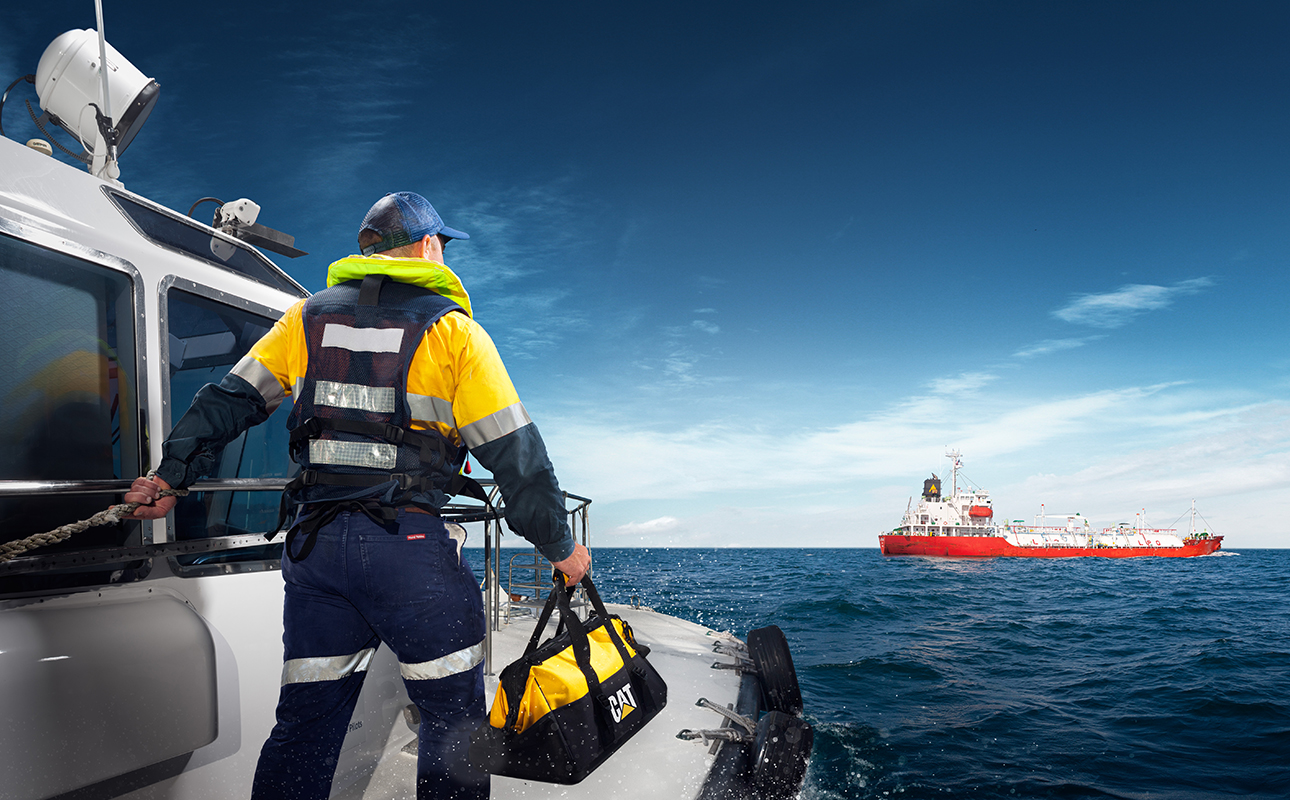
Marine Engine Technology Georgia: Program Overview
Navigating the vast and dynamic world of marine engines requires specialized knowledge and skills. For those eager to dive into this field, the Marine Engine Technology Program in Georgia offers a comprehensive education in marine propulsion systems and engine technology. This article explores the program, highlighting its benefits, structure, and opportunities for prospective students. Understanding Marine Engine Technology by Frankie Lopez (https://unsplash.com/@frankielopez) Marine engine technology involves the study and application of engineering principles to design, develop, and maintain engines used in marine vessels. These engines are crucial for powering ships, boats, and other watercraft, making them pivotal in the maritime industry. Understanding marine propulsion systems is essential for anyone looking to work in this field. What Are Marine Propulsion Systems? Marine propulsion systems are mechanisms or systems used to generate thrust to move a vessel across water. They can range from traditional propeller-driven setups to more advanced systems like jet propulsion. Each type of propulsion system has its unique set of advantages and challenges, requiring specialized knowledge to operate and maintain effectively. The Marine Engine Technology Program in Georgia Georgia offers a robust Marine Engine Technology Program that prepares students for careers in the maritime industry. Here’s what you need to know about the program: Program Overview The Marine Engine Technology Program in Georgia focuses on teaching students the intricacies of marine engines and propulsion systems. The curriculum includes both theoretical and practical components, ensuring that students receive a well-rounded education. Courses cover a variety of topics, including engine design, repair, maintenance, and troubleshooting. Hands-On Training by Outward Bound Costa Rica (https://unsplash.com/@outwardboundcr) One of the standout features of the program is its emphasis on hands-on training. Students have the opportunity to work directly with marine engines, gaining practical experience in diagnosing and repairing issues. This real-world training is invaluable, as it allows students to apply what they’ve learned in the classroom to actual scenarios they might encounter in their careers. Industry-Experienced Instructors The program is taught by experienced instructors who have extensive knowledge of the marine industry. These professionals bring a wealth of real-world experience to the classroom, offering students insights that go beyond textbooks. Their expertise ensures that students are learning from individuals who understand the challenges and demands of working with marine engines. Career Opportunities in Marine Engine Technology Graduates of the Marine Engine Technology Program in Georgia are well-equipped to enter the workforce and pursue a variety of career paths within the maritime industry. Some potential career opportunities include: Marine Technician Marine technicians are responsible for the maintenance and repair of marine engines and propulsion systems. They work on a range of vessels, from small boats to large ships, ensuring that engines are running smoothly and efficiently. Marine Engineer Marine engineers focus on designing, developing, and testing marine engines and propulsion systems. They play a crucial role in the innovation and improvement of marine technology, working on cutting-edge projects that advance the industry. Maritime Operations Manager Maritime operations managers oversee the day-to-day operations of marine facilities, including the maintenance and management of marine engines. They ensure that all systems are functioning properly and coordinate with other departments to keep operations running smoothly. Why Choose the Marine Engine Technology Program in Georgia? by Liz A (https://unsplash.com/@flowerandleaves)